April 29, 2020
Jaclyn Franks, MBA, ASA, CFE
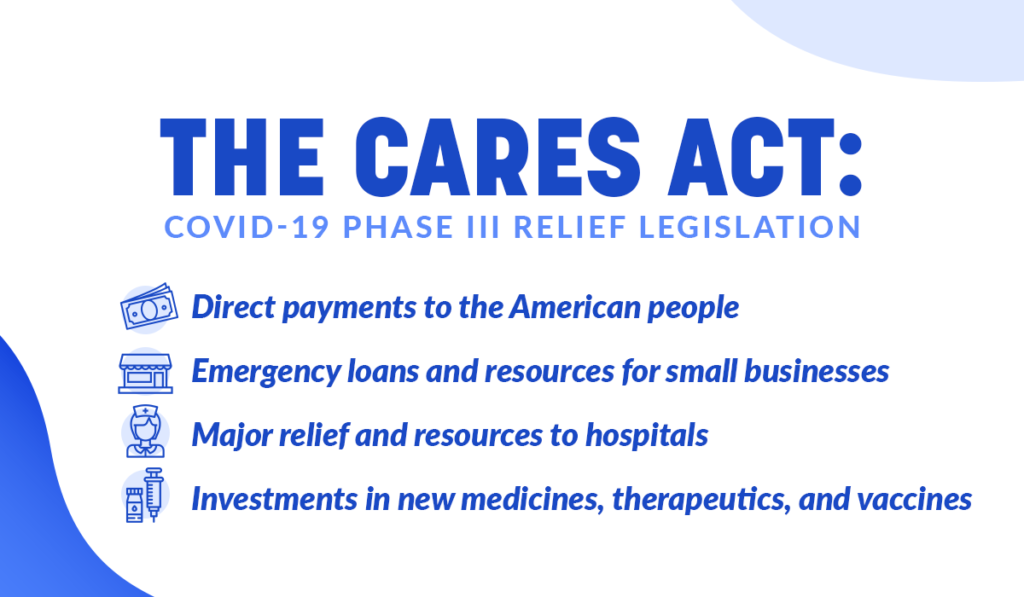
Understanding finance, banking, and loans is difficult for most non-financial professionals. The loans available through the CARES Act (Paycheck Protection Program Loan “PPPL” and the Economic Industry Disaster Loan “EIDL”) are even more confusing because the guidelines were put together so quickly, and thorough guidelines have not yet been provided.
Here are the highlights of what we know and recommend for businesses applying for/receiving the PPPL and/or EIDL Loans:
- Loans over $2 million will automatically be audited prior to approval of forgiveness.
- You cannot use the money to prepay bills or payroll. Only expenses incurred during the 8-week period from the day you receive the funds OR payments to catch up bills/expense past due since 2/15/2020 can be paid.
- Payroll Includes:
- Salaries, wages, commissions, or other similar compensation
- Cash tips or the equivalent
- Vacation pay, parental, family, medical, or sick leave pay
- Pay for termination of employment or separation
- Employer cost of group health insurance premiums (we believe this includes dental and vision)
- Payment of state and local taxes. ***NOTE*** it is up to the individual bank submitting your application for the loan whether they will allow you to include your state’s unemployment tax. Some banks have allowed it and some have not.
- The employee portion of FICA or Federal Withholding
- Only employees with earnings (including commissions, wages, income, net earnings from self-employment) less than $100,000 annually. This amount is pro-rated over the covered period. The best example of this is if the business owner is salaried and takes draws or bonuses or commissions. If your annual self-employment income or annual compensation exceeds $100,000, your payroll would not be included in the payroll amount calculation.
- Payroll DOES NOT Include:
- Cash compensation over $100,000
- The Employer portion of FICA and Federal Withholding
- Employees whose principal residence is outside of the US
- Qualified sick leave wages IF a credit is allowed under Families First.
- Company payments to independent contractors. The independent contractor needs to file for their own PPPL or EIDL. The easiest way to figure this out is to exclude anyone you send a 1099 to.
- Payroll Includes:
- If you do not keep very detailed accounting records, we recommend that you deposit funds received from the PPP loan or EIDL loan into a separate account. You will have to prove exactly what the funds were spent on in order to qualify for loan forgiveness.
- The bank you used to apply for the loans will be where you will apply for forgiveness when that application period begins. The bank will be in charge of reviewing/auditing/approving your forgiveness percentage.
- You must not spend more than 25% of your payroll on non-payroll items. Approved non-payroll items include: rent, utilities, interest on real and personal property loans in effect prior to 2/15/2020.
- In addition to #6, your forgiveness percentage is calculated by comparing the number of full time employees you had from one of these two periods for a baseline: 2/15/2019 to 6/30/2019 OR 1/1/2020 to 2/29/2020. It is the business’s choice which period to use. Full time employees are as defined in the Affordable Care Act of 30 hours (but there are times when a part-time employee will count as a full time employee so make sure you understand how to compute this). Once you have calculated your baseline, you then compare the percentage of full time employees from the time you receive funding through 8 weeks to your baseline. If, for example, you had 80% of full time employees since receiving the loan funds, compared to your baseline period, only 80% of your loan will be forgiven.
- UNLESS…..you rehire, or hire new workers to return your percentage to 100% of baseline by 6/30/2020. (If your eyes just glazed over, call your CPA or payroll company for help computing this.)
- In addition to #’s 6 & 7, your percentage of forgiveness is reduced if you cut the pay of any employee who made less than $100,000 on an annualized basis by more than 25%. If you restore their pay to 100% by 6/30/2020, Your forgiveness percentage will not be reduced.